
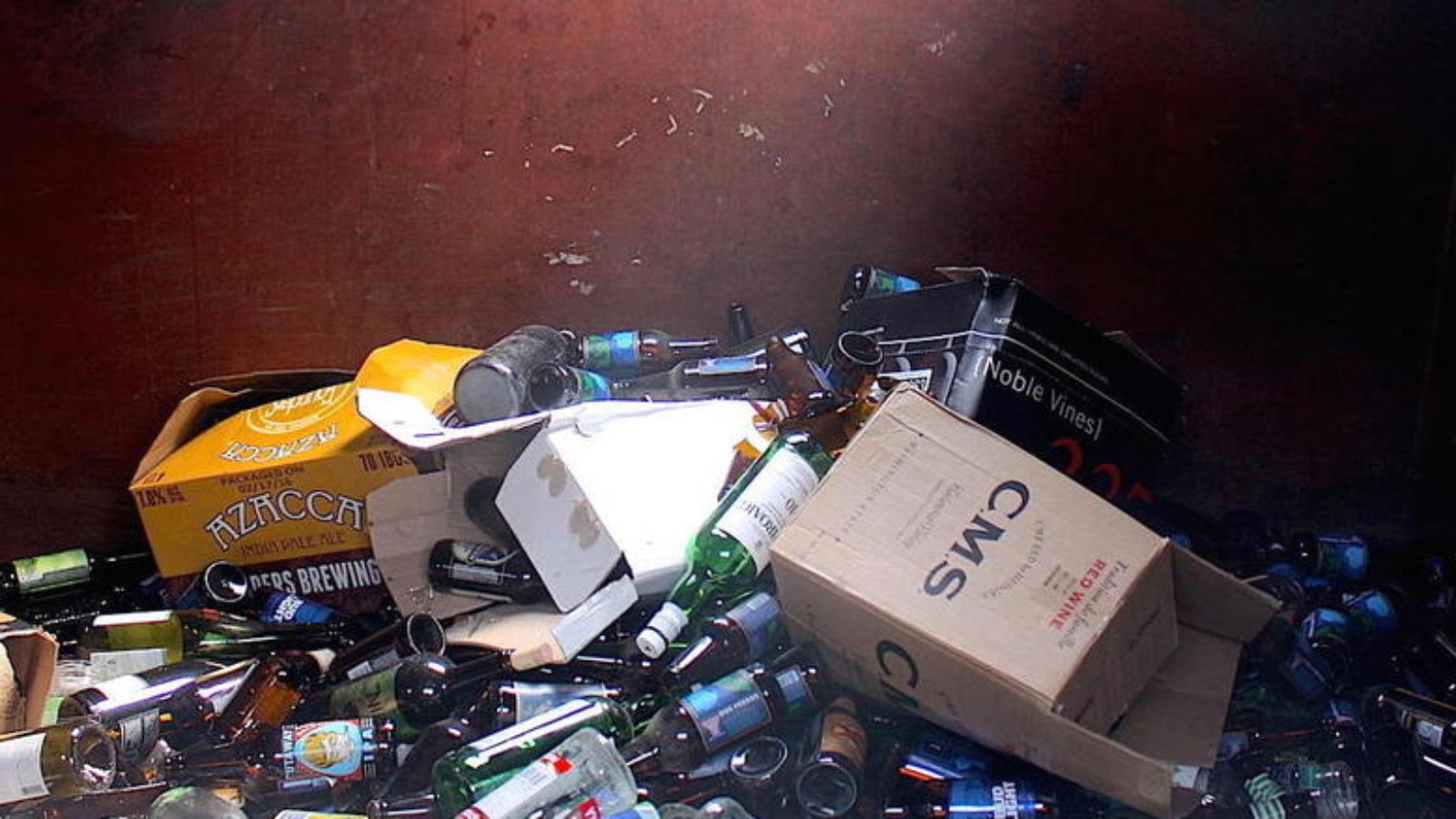
The Recycling Program Downtown is all about making life easier and greener. Whether it’s a busy apartment, a storefront, or just a neighbourhood house, knowing when to set out your bin, where to drop off items and how the system works helps everybody. In Canada many cities are updating their recycling approach. For example in City of Toronto the rules are shifting so that producers of packaging take on responsibility under extended producer responsibility (EPR). This guide will walk through what you need to know—clean language, clear steps, no fluff.
Selecting the right place to drop off waste, keeping track of your garbage day Toronto or other local schedule, and sorting what goes in which bin helps reduce messy streets, less landfill, and smarter recycling.
By the end you’ll know how to handle organic waste, curbside collection, green bins, drop-off sites, and schedules. You’ll also understand what happens when you use the wrong bin, or have a special item like electronics. And you’ll feel confident stepping out your door on garbage day in Toronto or wherever you are in Canada’s downtown core, knowing you’re doing the right thing.
What the Program Covers and Why It Matters
The Recycling Program Downtown covers everything from your regular garbage pickup to drop-off recycling, green bins, bulky items and more. In Toronto, residential recycling is changing: starting January 1, 2026 the Blue Bin program will be managed by a new organization, Circular Materials, under the EPR system. This means the rules, what goes in the bin, and how you drop things off will get more consistent across the province.
Why does it matter? First, less contamination means more stuff actually gets recycled. If you throw the wrong thing in the recycling bin, it might end up in landfill anyway. A recent pilot in downtown Guelph showed around 70% of what goes in the recycling bin is now usable because they improved sorting and education. Secondly, for people living and working downtown, space is tight and bins pile up—knowing exactly where and when to put things out helps keep the area clean and safe.
If you search for “garbage dump nearby” or “garbage site near me” it’s important you find the correct place: whether it’s a curbside pickup or a dedicated drop-off site, you’ll avoid fines, messes, and confusion. Plus, when you understand your local “garbage calendar Toronto” or “garbage pickup Scarborough”, you stay ahead of schedule and skip the surprise of finding your bin overflowing. Understanding bin sizes (some places mention “30 L garbage bags” or “bin litres” for capacity) helps too. All this fits under the umbrella of the Recycling Program Downtown—so you’re not just reacting to waste, you’re managing it.
How to Use Your Green Bin, Blue Bin and Garbage Bin
Downtown recycling programs use three main bin types: green bin (organics), blue bin (recyclables) and garbage bin (landfill waste). Understanding what goes where makes a big difference.
For the green bin (often labelled “what goes in the green bin”), you drop food scraps, yard waste, some compostable materials. In Toronto the green bin system covers organic waste; using it means less goes to landfill. You’ll often see rules like “what goes in the green bin” printed on municipal sites. For the blue bin and recycling: items like bottles, jars, containers, paper. But you must check “what goes in garbage” too, because if you put a non-recyclable item in the blue bin it can spoil the load. The city website lists exactly what you can put in recycling until a certain date. Lastly the garbage bin is for items that cannot be reused or recycled and are set to go to landfill or incineration.
When putting bins out for collection (for example on your “garbage day Toronto” or “garbage pickup in Toronto”), make sure to follow rules: set your bin out early, make sure lid is closed, place it at the curb (or the right collection point). For downtown areas, you might be in high-rise or shared waste zones, so you may need to use shared containers instead of personal bins. In some regions you’ll find descriptions of bin sizes: e.g., small waste cart holds 80 litres (about one standard bag) in one city’s downtown pilot. Knowing these details stops oversizing, penalties, and wasted effort.
Drop-Off Sites, Bulky Items and Special Cases
Sometimes your item won’t fit in any bin, or it’s not included in regular curbside pickup. That’s when you need a drop-off site or special program. For example if you search “closest garbage dump near me” or “dump nearby”, you might be directed to a public waste disposal site. But for downtown living it’s often more convenient to use designated drop-offs for electronics, large furniture, or special wastes.
In the Toronto area, for example, there is the “tech reuse and recycling” option via Free Geek Toronto for electronics—though it covers certain items not all. Other waste like large appliances, hazardous materials, extra bags may require you to check “garbage area”, “garbage drop” or “drop off garbage” listings. You’ll also see the term “junk bin rental Toronto” for special bins you can rent for large clean-outs.
When managing waste in downtown cores, the “garbage calendar Toronto” or equivalent local schedule shows when special pickups occur. For residents in downtown you may see notices for “garbage night” or alerts about “what day is garbage day”. Using these tools reduces the risk of missed collections or wrong placements. If you’re in a multi-unit building, ask your property manager about “garbage pickup Scarborough” or region-specific rules. In short: know your drop-off site for items outside normal bins, and use it when required.
Tips to Stay On Track and Avoid Mistakes
Here are practical tips to keep the Recycling Program Downtown working for you. First, always check your local schedule. Whether you live in Toronto, Scarborough, or another downtown area, knowing your “city of Toronto garbage schedule” or your local timer makes the difference between smooth service and a mess. Use apps, websites or the physical “garbage calendar Toronto” delivered to your door.
Second, rinse containers and flatten boxes so you don’t overload your bin or leave space wasted. If your blue bin is overflowing, you may be able to bundle cardboard next to it or use extra bags labeled appropriately. In some downtown settings, space is limited, so efficient packing helps.
Third, avoid contamination. A cigarette butt, a food-soiled pizza box or a plastic bag in the wrong bin can turn a whole load into landfill. The “waste wizard” feature on many city websites helps you check: type “what goes in garbage bin” or “what goes in the green bin” and you’ll get guidance. In Toronto the Waste Wizard is available. Fourth, if you live in a multi-unit or shared-container setting, coordinate with neighbours. Make sure carts are labelled, lids can close, and you’re using the right container for the right material. Fifth, when you have large items: schedule a pickup or drop them off. Don’t leave them beside the bins—especially in downtown spaces that have heavy foot traffic.
Finally, remember: reducing waste is just as important as recycling it. Bringing your own reusable bags, containers, and choosing items with less packaging helps lessen the load on the system. The city of Toronto highlights “waste reduction” as a key part of the strategy. These tips ensure the Recycling Program Downtown doesn’t become an afterthought—it becomes part of your everyday clean, efficient routine.
What to Do When Things Go Wrong
Mistakes happen. Maybe your bin wasn’t collected, maybe you’re unsure whether to throw a certain item in your bin, or maybe you moved and your “garbage pickup in Toronto” layering changed. When that happens: contact help. If you’re in Toronto, you’d call 311 or check the collection service. But after the transition to the new system (starting January 1 2026) some functions will move to Circular Materials. Report missing pickups, damaged bins, or confusion about “garbage area” assignments and the operator will address it.
If your item is special—electronics, appliances, hazardous item—there may be a different queue. Don’t just toss it in your curbside bin. Use the “drop off garbage” option or the “what goes into the garbage” search on your city’s waste wizard. If you live downtown, check whether your building has a shared container or if your area has “junk bin rental Toronto” or similar service.
When you aren’t sure what goes in which bin, use the “garbage wizard” or “towaste” search tools many cities provide. This helps reduce contamination. If you suspect bins on your block are misused or overfilled, talk to your property manager or neighbourhood association rather than just dumping extra bags.
Remember: repeated misses or wrong sorting may trigger extra fees or slowdowns in your service. So being proactive pays off.
Closing Paragraph
The Recycling Program Downtown is not just a rulebook—it’s a framework that lets residents, businesses and building managers work together to keep downtown streets clean, green and manageable. By knowing your garbage day, using the right bin (green bin, blue bin or garbage bin), using drop-off sites when needed, and staying ahead of schedules and rules, you make a meaningful difference. Highlighting our services at Infinite Tech Repair, we also recognise that electronics and tech disposal play a role in the waste stream—so when you upgrade or retire devices, think about recycling or drop-off options too. With a simple, clear approach and the key phrase “Recycling Program Downtown” in mind, you’re well-equipped to be part of a smarter, cleaner future.